
Common Failures in Vintage Film Cameras
Problems Frequently Found in TLR and 35 mm SLR Cameras
Vintage film cameras are extremely durable mechanical devices, but most of the cameras still in circulation today are between 40 and 70 years old. Even when a camera appears to be working, the internal mechanisms may be operating far outside their intended tolerances.
After decades of use, storage, and environmental exposure, certain failures appear repeatedly across many models. These problems are particularly common in twin-lens reflex cameras such as Rolleiflex or Yashica TLRs and in mechanical 35 mm SLR cameras such as Nikon F-series bodies.
Understanding these typical issues helps explain why proper servicing is often necessary to restore reliability and performance.
Common Problems in TLR Cameras
Twin-lens reflex cameras such as Rolleiflex, Rolleicord, and Yashica models are mechanically sophisticated despite their simple appearance. Many of them contain intricate linkages that synchronize the shutter, film advance, frame counter, and interlock systems.
Because of this complexity, several mechanical issues appear frequently as these cameras age.
Sticky or Inoperative Leaf Shutters
Most TLR cameras use leaf shutters located inside the taking lens assembly. These shutters depend on delicate springs, timing gears, and lubricated components.
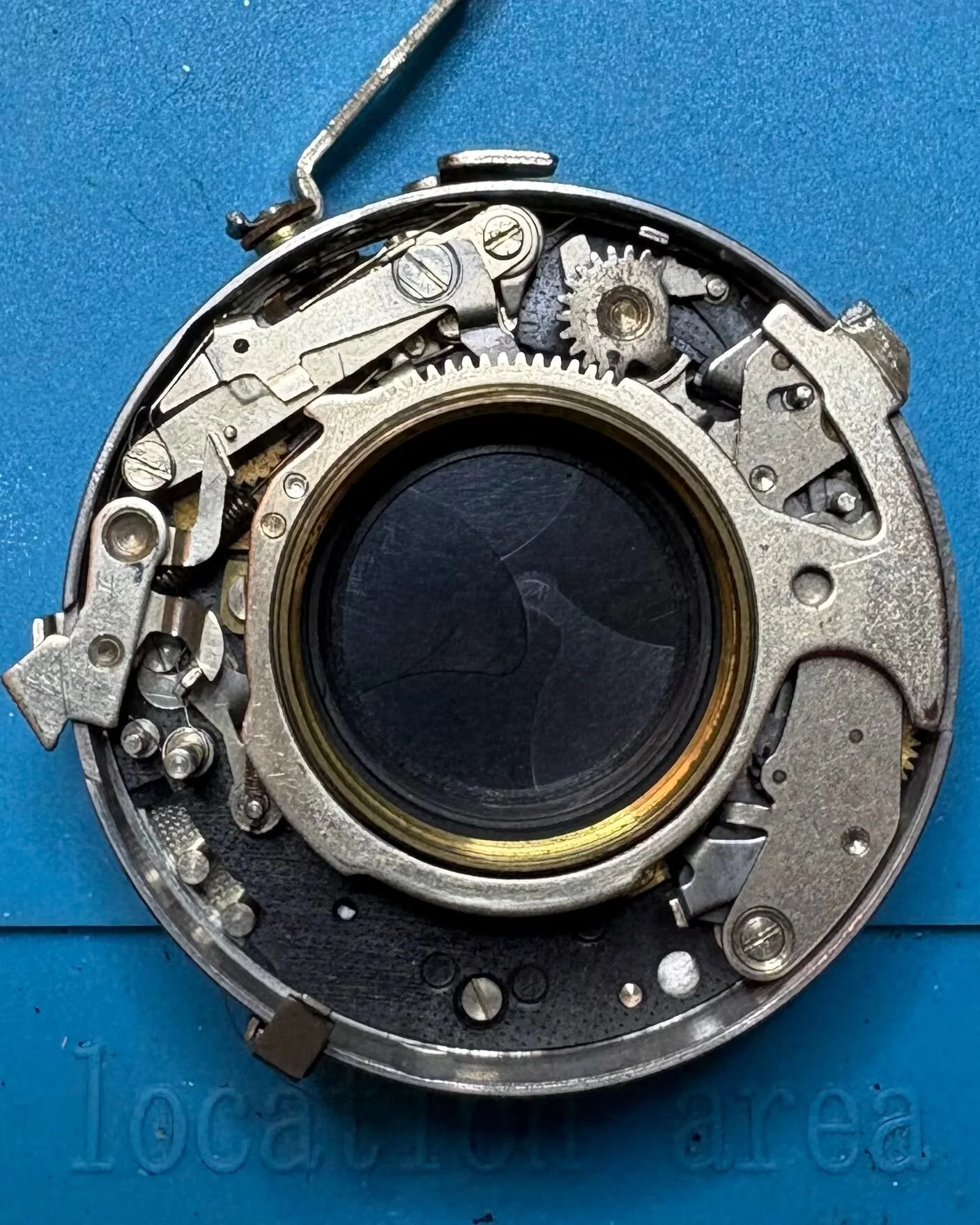
Over time the lubricants inside the shutter can degrade and become sticky or hardened. When this happens the shutter blades may:
fail to open completely
open slowly
stick closed
or fire inconsistently
This often shows up as a weak or sluggish shutter sound. In severe cases the shutter may not fire at all. Aging lubricants are one of the most common causes of this problem, as old oils and greases can become thick and interfere with the movement of shutter components.
Slow shutter speeds are especially vulnerable because they rely on additional timing mechanisms that are easily affected by contamination or hardened lubricants.
Film Advance and Shutter Cocking Problems
Many TLR cameras combine the film advance and shutter cocking functions into a single mechanism. In crank-wind cameras such as the Rolleiflex or Yashica-Mat series, advancing the film also tensions the shutter and resets the frame counter.
Because these functions are mechanically linked, problems in one part of the system can affect the entire cycle.
Common symptoms include:
the crank refusing to turn
the shutter failing to cock when film is advanced
frame counters that do not stop at the correct frame
overlapping or uneven frame spacing
These issues are often caused by worn springs, damaged gears, or contamination inside the advance mechanism. In many cases the mechanism simply needs cleaning and lubrication to restore proper operation.
Frame Counter and Film Detection Failures
Many TLR cameras rely on mechanical sensors to detect film movement and automatically stop the advance at each frame.
If these sensors become dirty, misaligned, or worn, several problems may occur:
the camera winds the entire roll without stopping
frames overlap
frame spacing becomes inconsistent
These problems are often linked to the feeler mechanisms or frame counter systems that regulate film advance.
Focus Mechanism Wear
TLRs focus by moving both the viewing lens and taking lens together on a front standard. This movement is controlled by a focusing helicoid or cam mechanism.
Over time the grease inside this mechanism can harden or become uneven, which leads to:
stiff focusing knobs
uneven resistance while focusing
excessive play in the focusing mechanism
Occasionally mechanical parts in the focusing linkage can also wear or become misaligned, especially if the camera has been heavily used.
Mirror and Viewfinder Degradation
TLR cameras rely on a reflex mirror and focusing screen to project the image into the waist-level finder.
After many decades these components may suffer from:
dim or deteriorated/desilvered mirrors
scratched or damaged focusing screens
dust and debris inside the viewfinder assembly
Although these problems do not affect the film image itself, they make the camera much harder to focus and compose accurately.
Lens Fungus and Optical Contamination
Many vintage TLR lenses have spent decades stored in cases or humid environments. Under these conditions fungus can grow on internal lens surfaces.
Fungus often appears as:
branching filaments
hazy patches
etched marks in severe cases
Some lenses are more susceptible than others, particularly those using organically cemented optical groups. In mild cases the fungus can be removed through proper disassembly and cleaning, but damage to cemented elements may be permanent.
Common Problems in 35 mm SLR Cameras
Mechanical 35 mm SLR cameras such as Nikon F, F2, FM, and FE series bodies are among the most durable cameras ever produced. However, these cameras also experience predictable wear patterns as they age.
Many of the problems found in these cameras relate to their focal plane shutters and film transport mechanisms.
Focal Plane Shutter Problems
Unlike TLRs, most 35 mm SLR cameras use focal plane shutters made of cloth or metal curtains.
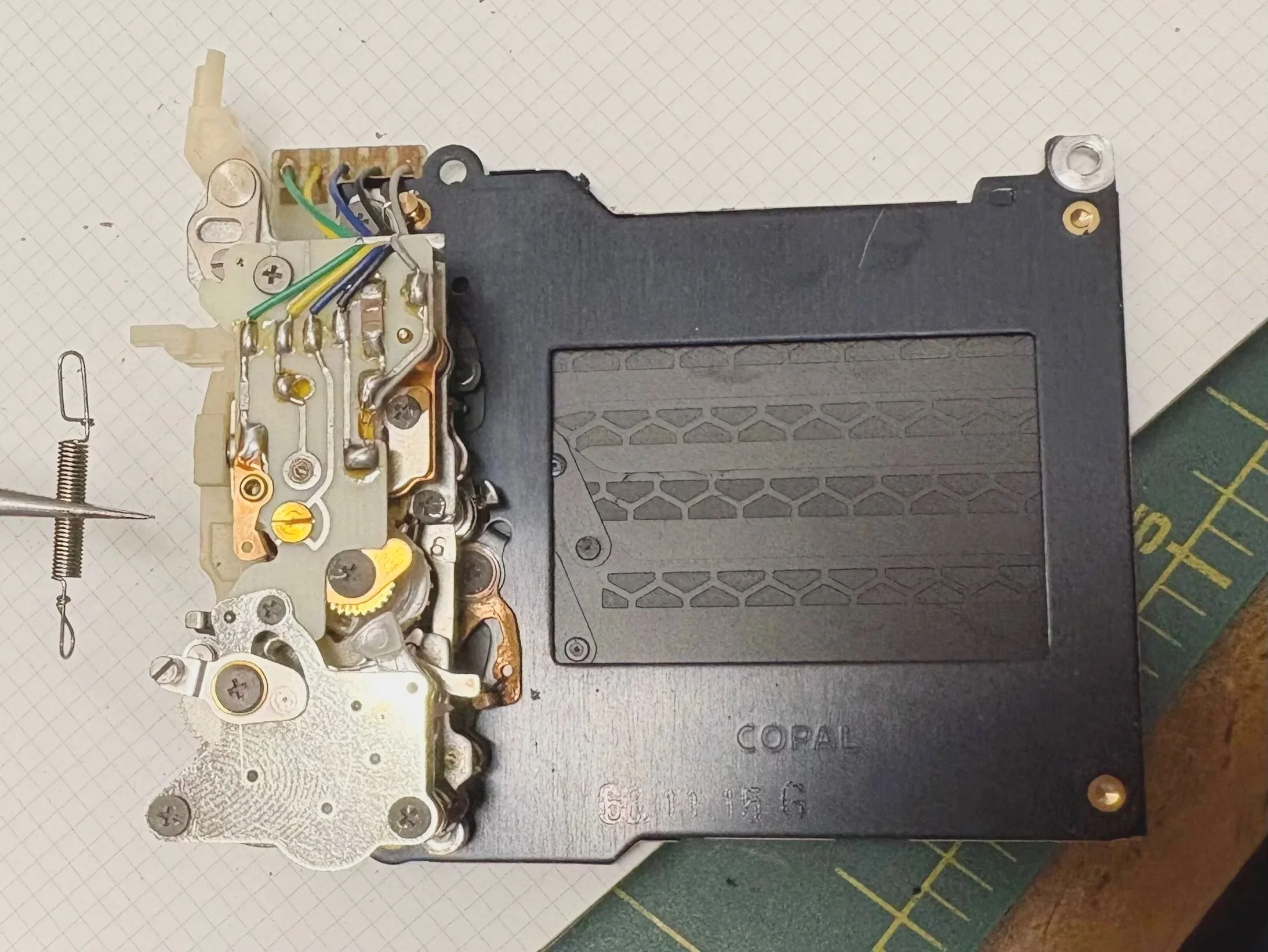
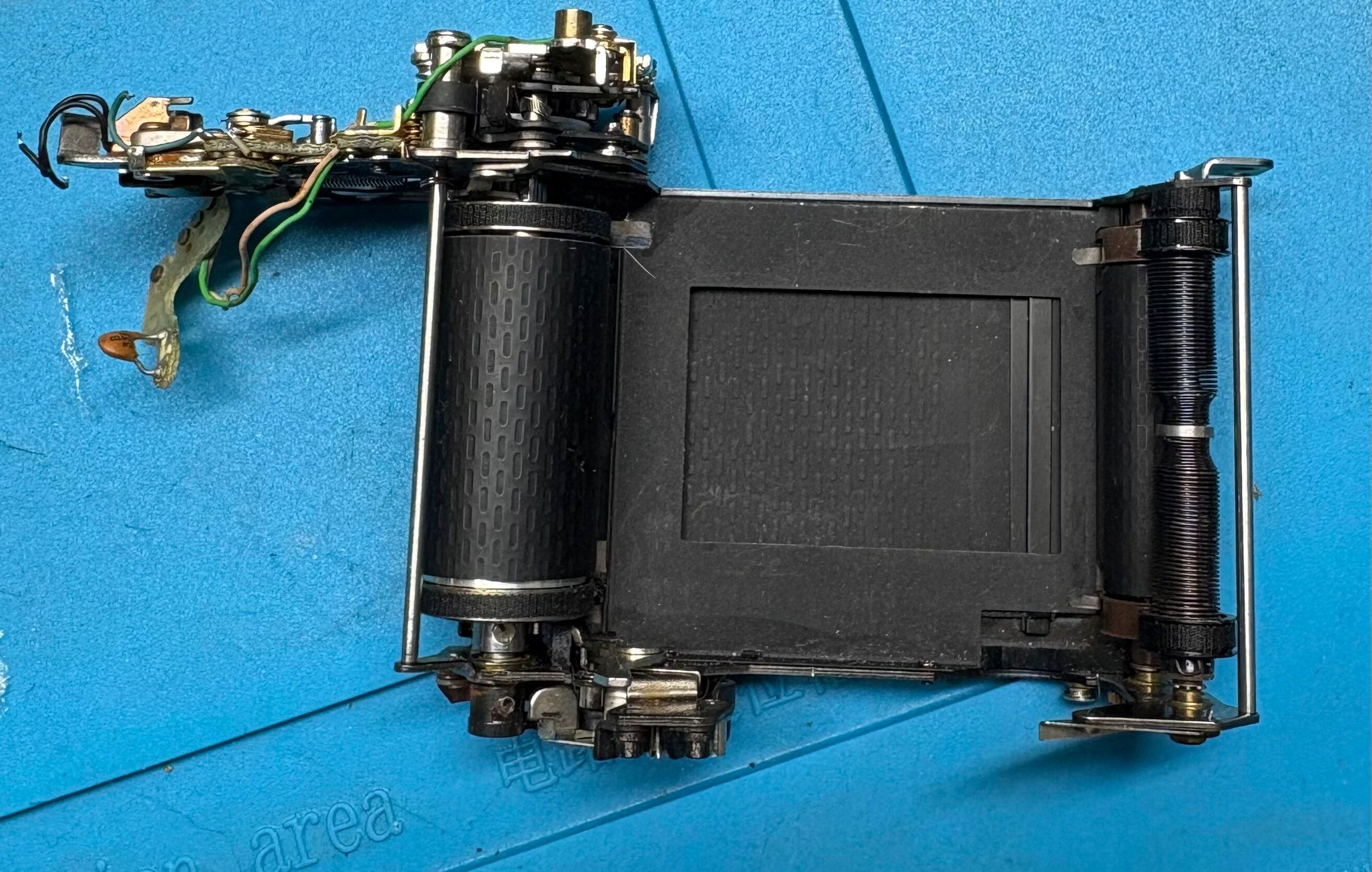
These shutters travel across the film gate at high speed, and their timing must be precisely calibrated.
Common failures include:
Shutter Capping
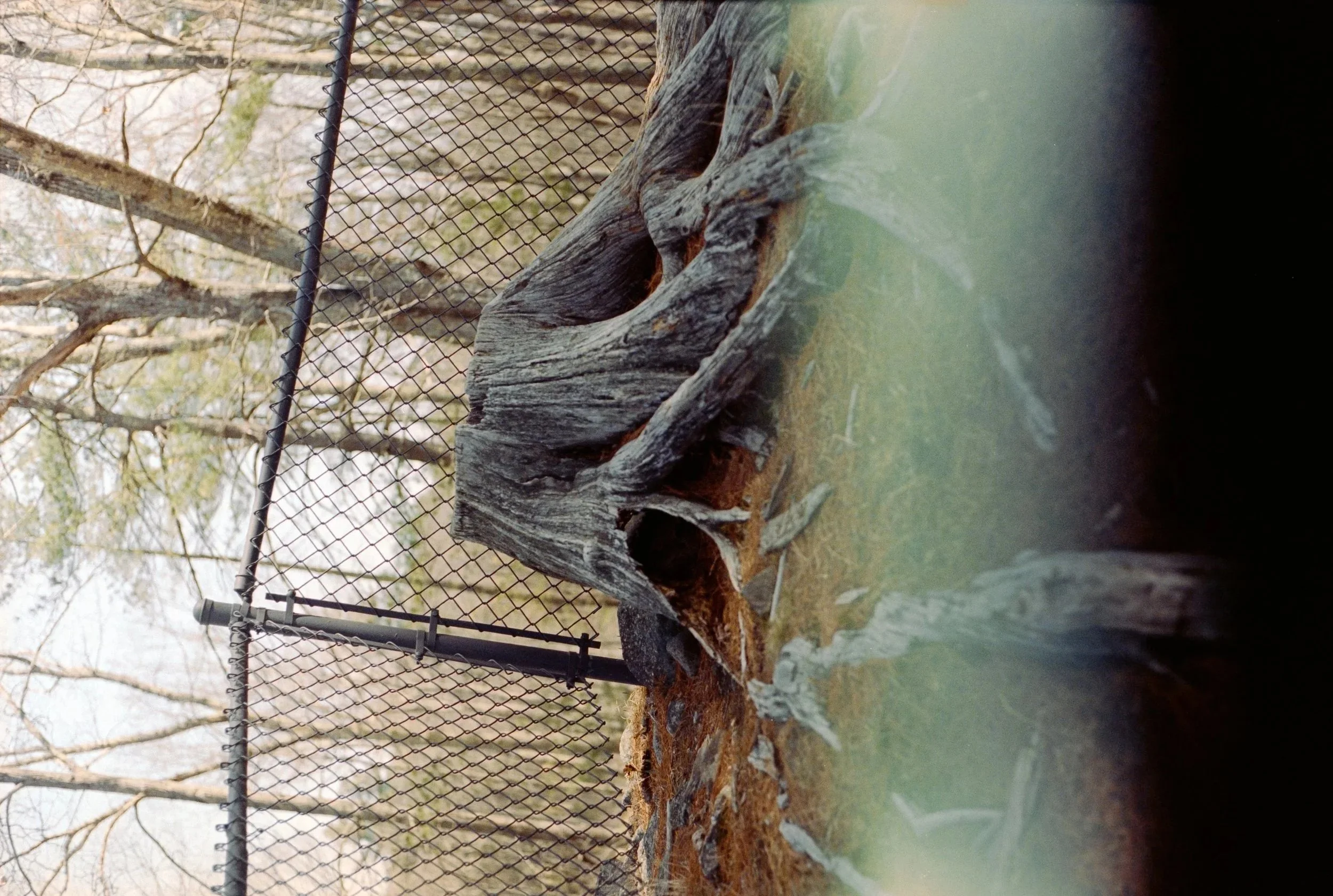
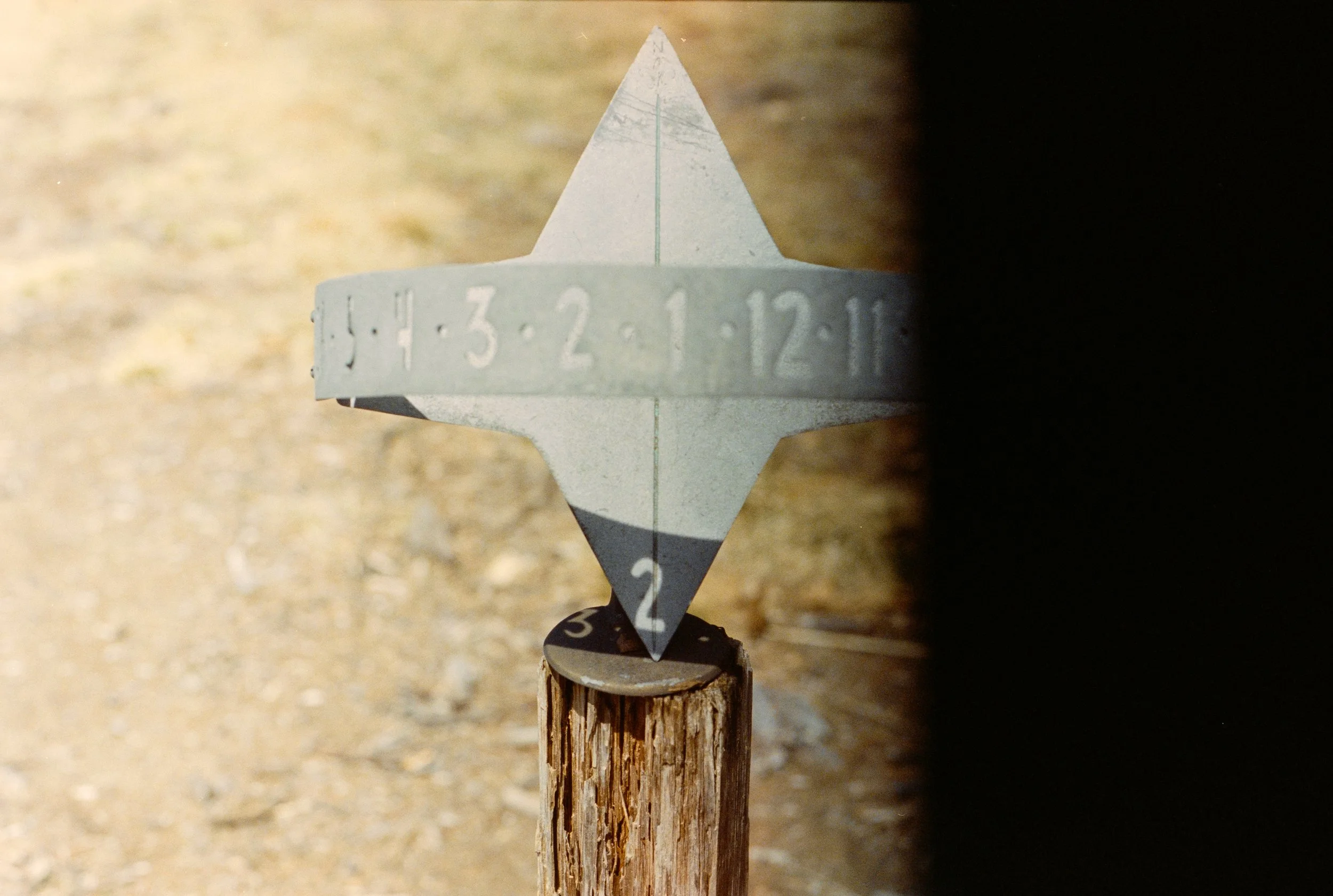
One shutter curtain may catch up to the other during exposure, partially covering the frame.
This results in:
dark bands across the image
uneven exposure across the frame
Inaccurate Shutter Speeds
Fatigued springs or dried lubricants can cause shutter speeds to drift.
This often affects faster speeds first and can lead to inconsistent exposures.

underexposure due to inaccurate speeds
Curtain Damage
Older cloth shutters may develop:
pinholes
fraying edges
weakened fabric
Focal plane shutters usually are pretty sound physically. It’s when fingers or sharp objects enter the focal plane and mess with the curtains do we see curtain damage.
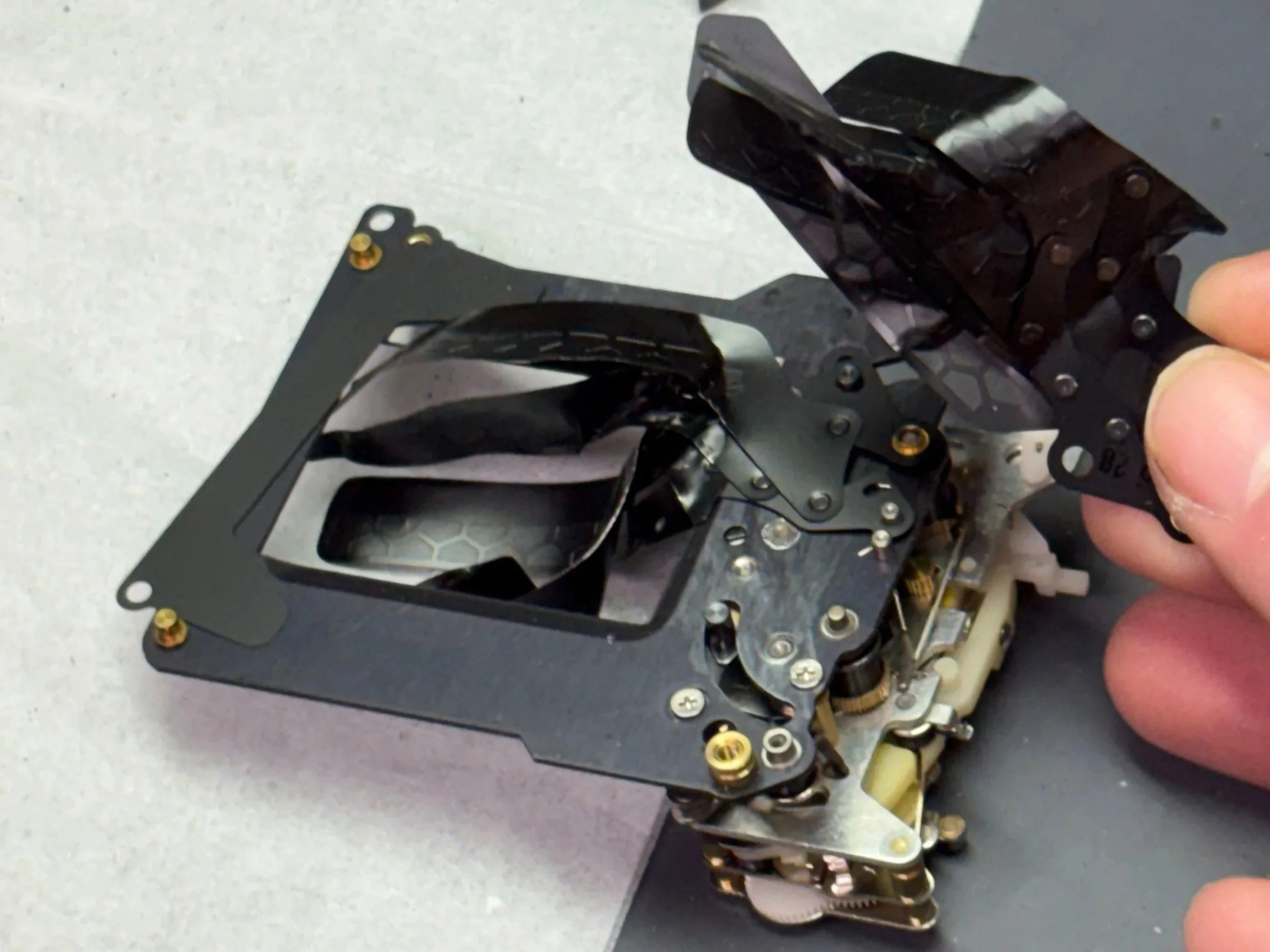
probably stuck a finger in there, freaked out, pulled back, and caught the shutter, damaging the blades.
Mirror and Mirror Damping Problems
SLR cameras use a moving reflex mirror that flips upward when the shutter fires.
Many cameras include foam or rubber damping materials to cushion the mirror’s movement. Over time these materials deteriorate and turn into sticky residue.
This can cause:
mirror sticking
slow mirror return
excessive vibration
Replacing degraded mirror foam is a common maintenance task in older SLR cameras.
Light Seal Deterioration
Most 35 mm cameras contain foam light seals around the film door.
These seals prevent stray light from entering the camera body. Unfortunately the foam used in many cameras breaks down over time.
When this happens it turns into sticky debris that can cause:
light leaks in photographs
contamination inside the camera body
Replacing light seals is a routine part of servicing many vintage cameras.
Film Advance and Transport Wear
The film advance mechanism in SLR cameras includes gears, ratchets, springs, and sprockets that move the film across the film gate.
Wear or contamination in these components can cause:
rough advance levers
uneven frame spacing
film not advancing correctly
In some cases dirt or damaged sprockets can prevent the film from advancing at all.
Meter and Electronic Failures
Later SLR cameras introduced electronic light meters and electronic shutter control.
These systems may suffer from:
corroded battery compartments
failed electronic components
degraded wiring
Battery leakage is a particularly common cause of damage in cameras that have been stored for long periods with batteries installed. Corrosion can destroy electrical contacts and sometimes spread to nearby components.
Why These Problems Occur
The majority of these failures are not the result of poor manufacturing. In fact, many vintage cameras were built to extremely high standards.
Instead, the most common causes are simply:
aging lubricants
environmental exposure
lack of maintenance
decades of mechanical wear
Many cameras currently in circulation have not been serviced since the day they left the factory.
The Role of Proper Servicing
When these cameras are properly serviced, many of these problems can be corrected.
A thorough service typically involves:
disassembling critical mechanisms
removing old lubricants and contaminants
applying correct lubrication
adjusting shutter timing and mechanical tolerances
testing the camera to verify proper operation
When performed correctly, this process can restore a vintage camera to reliable working condition and extend its usable life for many years.
Vintage cameras are remarkable examples of mechanical engineering. With proper maintenance and careful handling, these cameras can continue producing photographs long after their original manufacturers have disappeared.
Understanding the common problems found in these cameras is the first step toward preserving them for future generations of photographers.