
Batteries used in popular film camera models
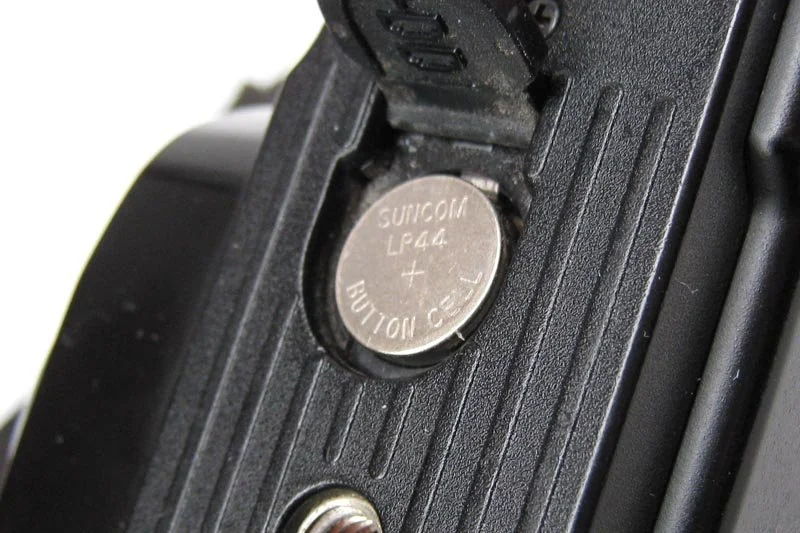
The LR44 Analog Camera Standard Battery
LR44 are alkaline button batteries - or watch batteries. Equivalents to these include: SR44, CR44, Energizer brand A76, Duracell 76A, and 357 silver oxide, L1154H, 1166 A, AG13, A613, AG14, AG-14, G13 A, G13-A, 157, 303, GDA76, GP76 A, 208 – 904, CA18, CA19.
Cameras that use LR44 and equivalent:
Nikon
F2, F3, FA, FM FM2, FM2N, FG
Pentax
K1000, MX, Super Program, Program Plus
Fujica
AX-5, ST 605, ST 601, ST 705, AZ-1 and More
Konica
FP1
Minolta
XD11, X-700, XG-1, HI-Matic F
Leica
R4
Mamiya
ZE, ZE-X
Olympus
OM-2, OM-2S, OM-4, OM-10, OMPc
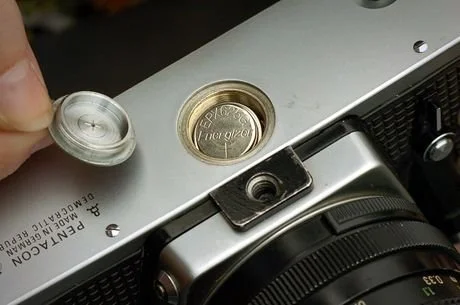
PX625 Mercury replacement batteries; 1.35v/ PX13
Mercury batteries were some of the most common batteries used in film cameras during their height. After the outlaw of the use of mercury in consumer products and the shift from analog to digital, mercury batteries and their hosts became obsolete. Luckily, there are alternatives still made today.
Cameras that use Mercury 1.35v PX13
Canon
FT, FTb, FTbn, FT-QL
TX, TLb
EF, F1, Ex
Demi (17 and EE 17)
Canonet (QL17, QL19, 19E, 25, 19E, New QL17, New QL17L, New QL19, New 28, G-III 17 and G-III 19)
A35F
Kiev
60 TTL
Leica
Leicaflex SL/SL2/SL-MOT/SL2-MOT, CL, M5
Minolta
SRT (100, 101, 200, 201, 202)
SR (1, 7, 7V, 100, 102, 200, 201, 202)
AL-F, AL-E
Autopack 700
Himatic (7, 7s, 9, 11)Minox110SMirandaSensorex
Automex (II and III)
F and FM
Olympus
35 series (35DC, 35LC, 35RC, 35RD, 35SC, 35SP, 35SPN, 35UC)
EED
Pen FT, FTL
M-1
OM-1, OM-1MD, OM-1n
Rolleiflex
35, 35S, 35T
35 Classic, A26, 126, XF35
Rolleiflex SL (35, 35M, 26)
Vivitar
35EE, 35EF and 35ES
Yashica
MAT (124 and 124G)
Y12, Y24
Half 14
Lynx 14/5000
Ministar 700D
Penta (J3, J4, J5, J7)
Bronica
C2 and S2
Fujica
35FS
35GP
V2
Konica
AutoReflex (T4, TC, Autorex)
Auto (S, S1.6, S2, S261 meter)
EE-Matic
EE-Matic Deluxe (F, FM)
c35 and c35 Flashmatic
Nikon
F, FTn, FT, T and Tn
Nikkormat or Nikomat (FT, FTn, FT2)
Praktika
TL, TL1000, Super TL/TL2/TL3, LTL, LTL3, MTL3, MTL5, Praktica 66 meter, Prakticamat
Topcon
RE Super, Super DM, 135EEVoigtländer
VF101 and VS1
Zenit
Zenit TTL
Zenit (16, 18, 19)
Zenit Avtomat
Zenit AM
Zenit APK
Zeiss Ikon
Contaflex 126/SLF
Contarex (Super and Super BC)
Icarex (35S, 35CS)
SL706
Cameras Using 28L / PX28 / 4LR44 / A544 Batteries
The following film cameras use a 28L-type 6V battery, also sold under the names PX28, 4LR44, 4SR44, A544, V28PX, and 544. These batteries are commonly found in electronically controlled SLRs and medium format cameras from the 1970s–1990s.
Canon Fujica Mamiya
Canon AE-1 Fujica AX-1 Mamiya 7
Canon AE-1 Fujica AX-3 Mamiya 7II Program
Canon A-1 Fujica AX-5 Mamiya RZ67
Canon AT-1 Fujica AZ-1 Mamiya ZE-X
Canon AV-1
Canon New F-1
Konica Ricoh Yashica
Konica FP-1 Ricoh XR-P Yashica FX-103 Program
Ricoh XR-X Yashica FX-D Quartz
Modern Film Camera Batteries
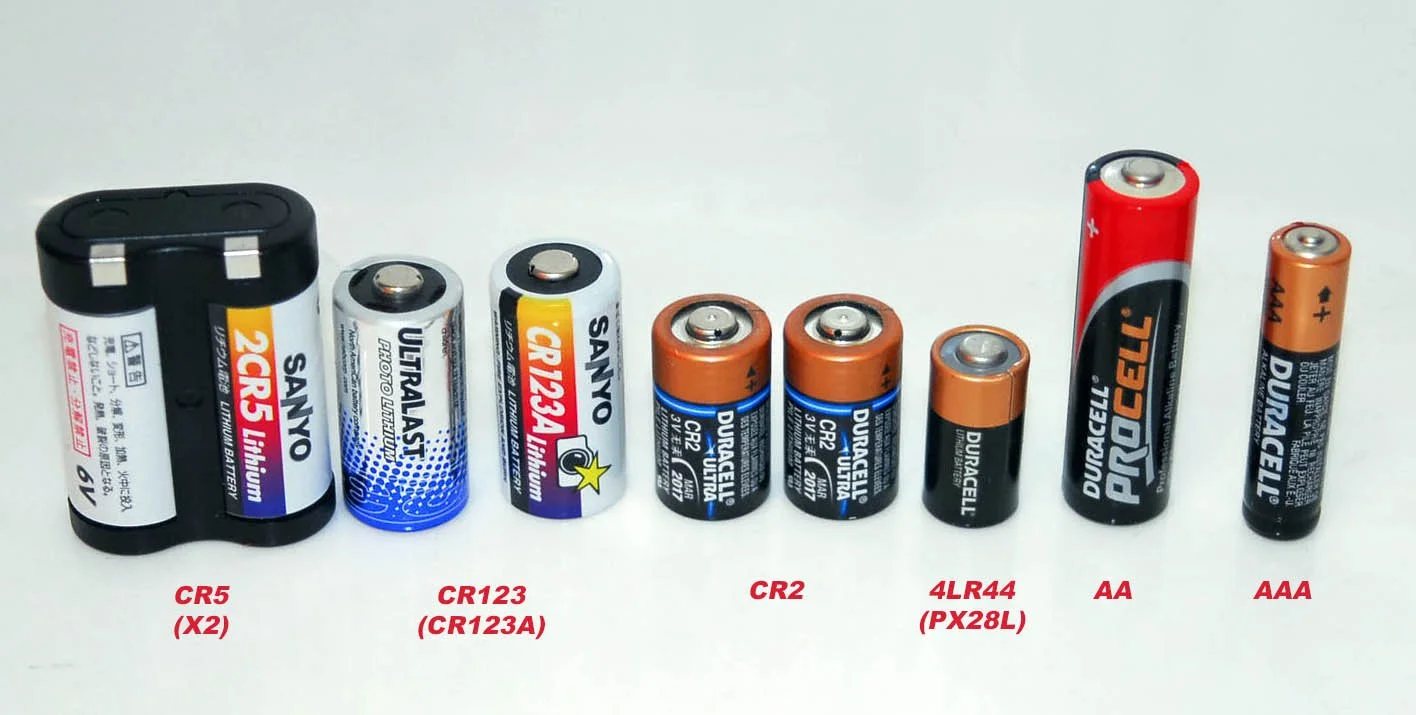
As the world phased into more electronically supported cameras, the batteries began to generalize into consumer accessible, non mercury based, batteries.
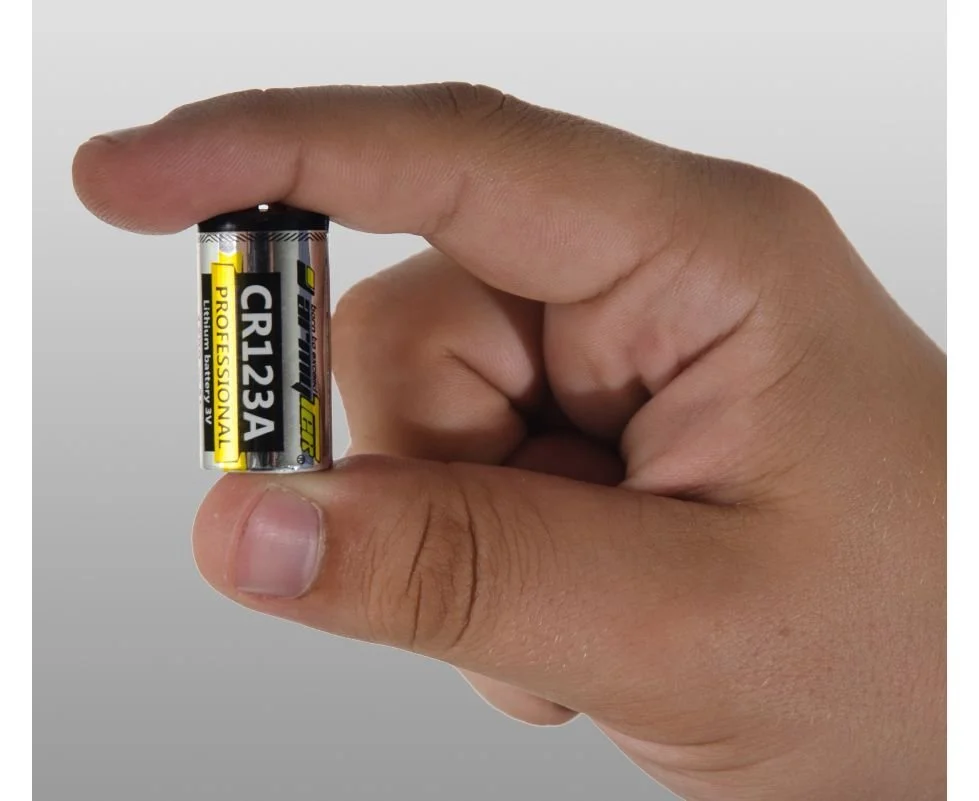
CR123A 3v
Most digital point and shoots (all Olympus point and shoot models) use these batteries. CR123/A batteries are also equivalent to the CR17345, a 3V lithium manganese dioxide battery characterized by its durability and long life.
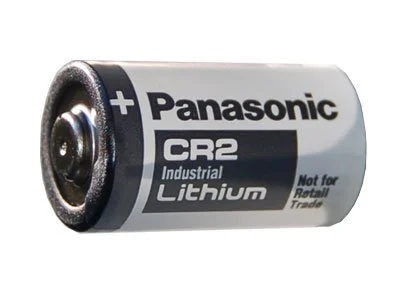
3V CR2 Batteries
CR2 batteries are smaller and slightly wider than the CR123As. These 3v lithium batteries are most commonly known for their use in the entry level canon EOS film system.
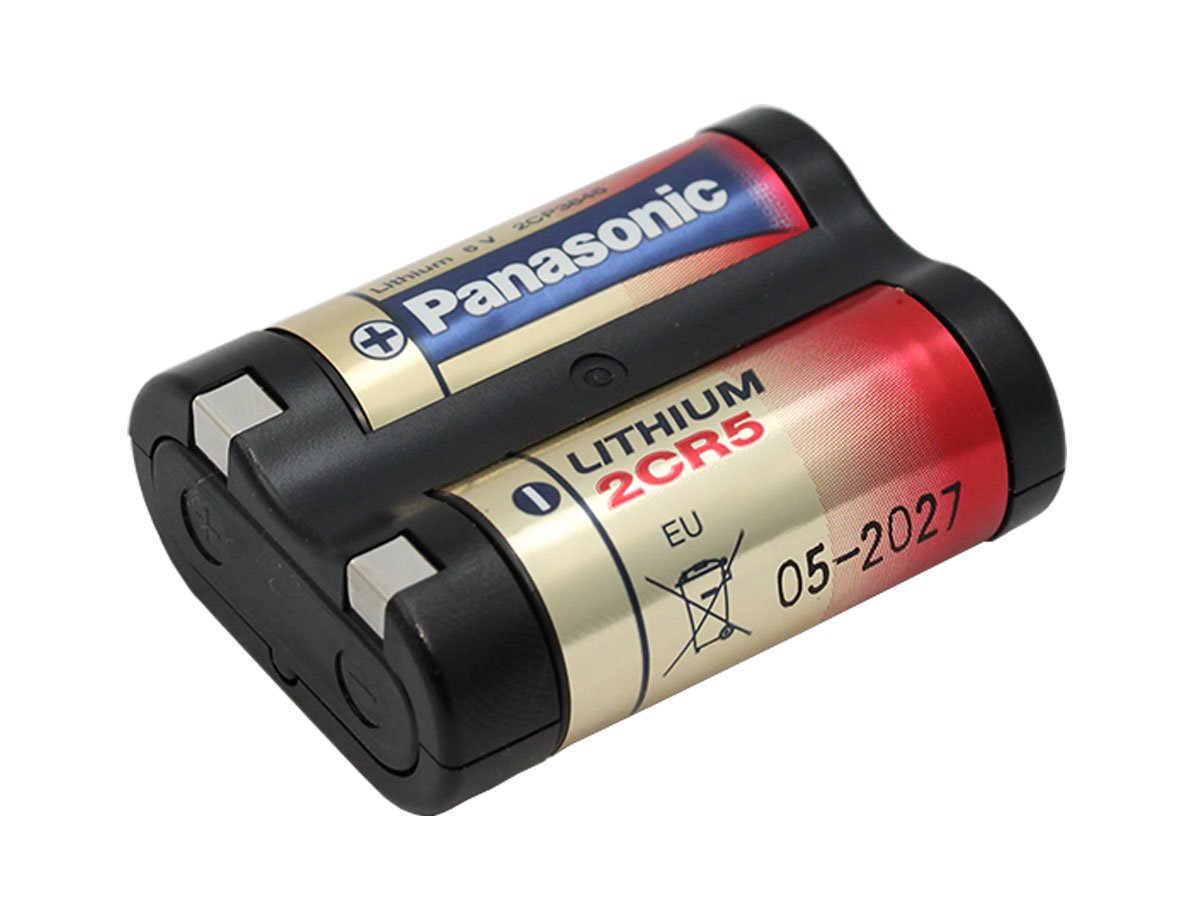
2CR5 Batteries
2CR5 batteries, also known as 2CR5M, 5032LC, DL245, DL345, EL2CR5, KL2CR5, EL2CR5BP, RL2CR5 are lithium batteries formed by two CR123 cylinders and are used in cameras that require a high energy output, like the higher end Canon EOS film line.
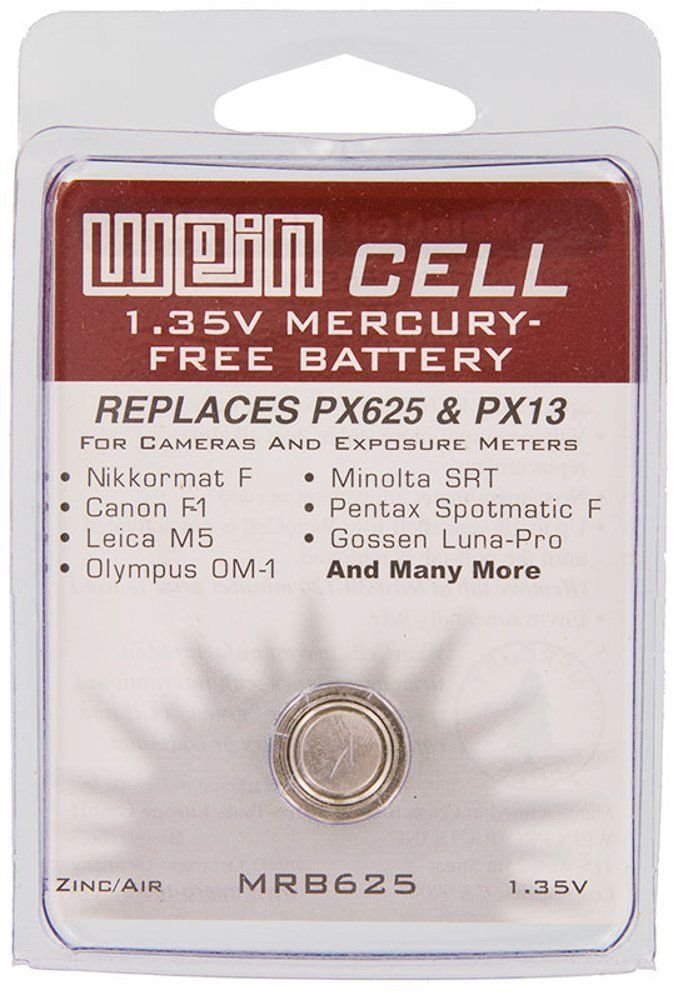
Zinc-Air “Wein cell” button batteries
These are the best alternative to mercury batteries I’ve found, the only issue with them is their lifespan is quite short requiring a faster turnover and the batteries can be expensive. Removing the batteries from the camera when not in use can help mediate this.