
Common DIY Camera Repair Mistakes That Cause More Damage
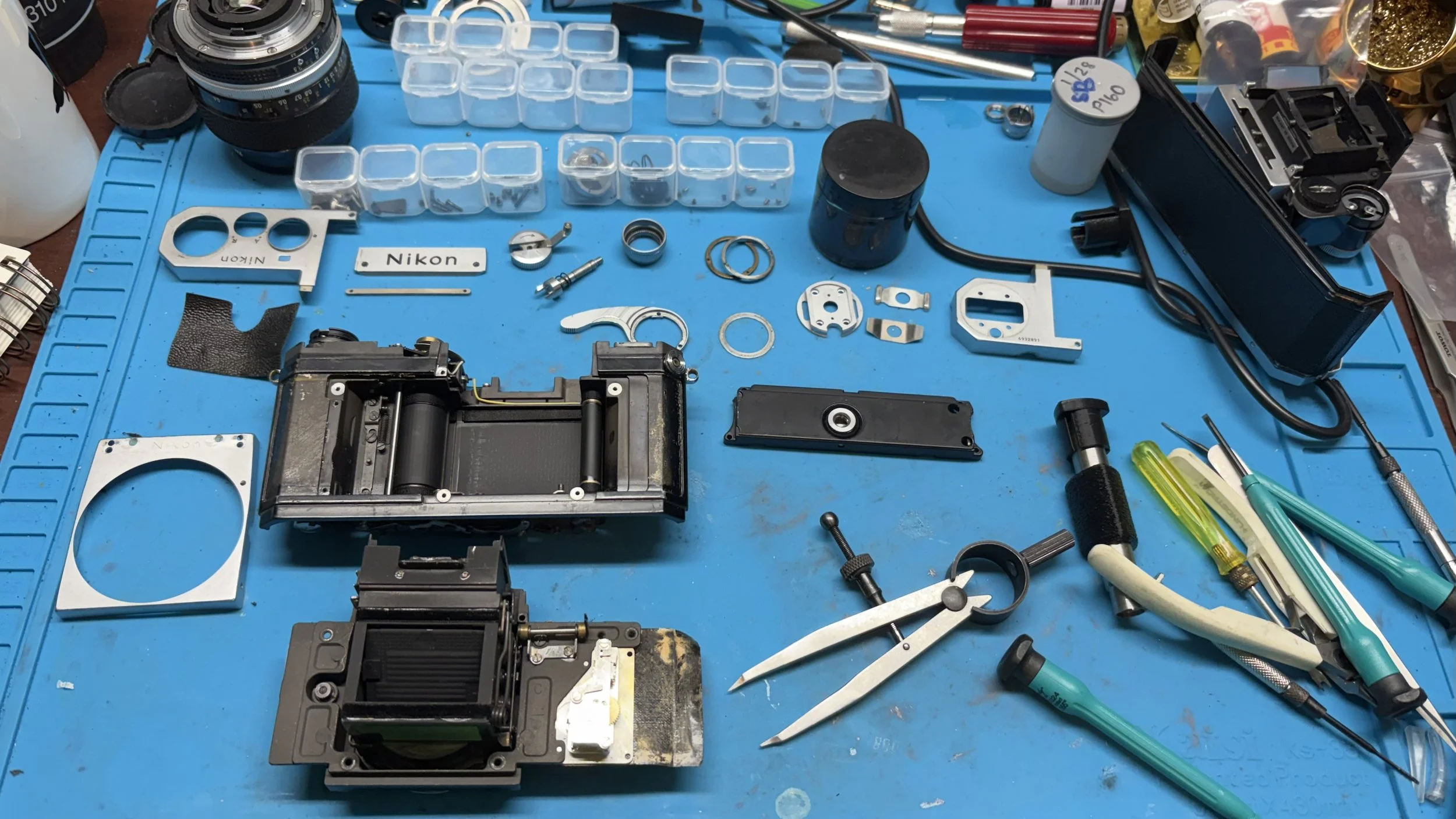
There is nothing wrong with wanting to fix your own camera. Everyone starts somewhere. But there is a big difference between learning on a parts camera and trying to repair something you actually care about.
A lot of the cameras that come across my bench are not just worn out. They have been made worse by well-intentioned repair attempts. This is one of the most common ways good cameras get permanently damaged.
1. Using the wrong screwdrivers
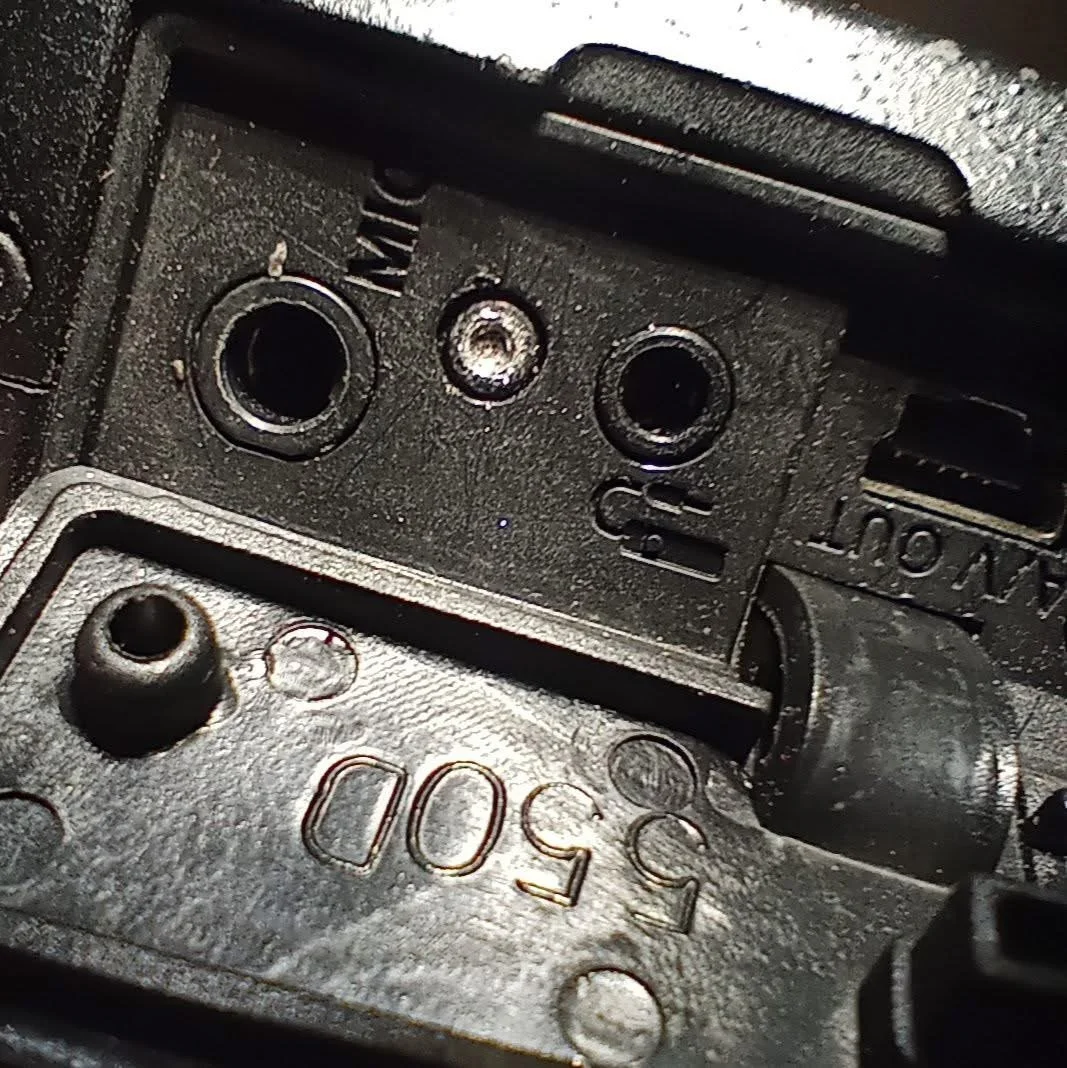
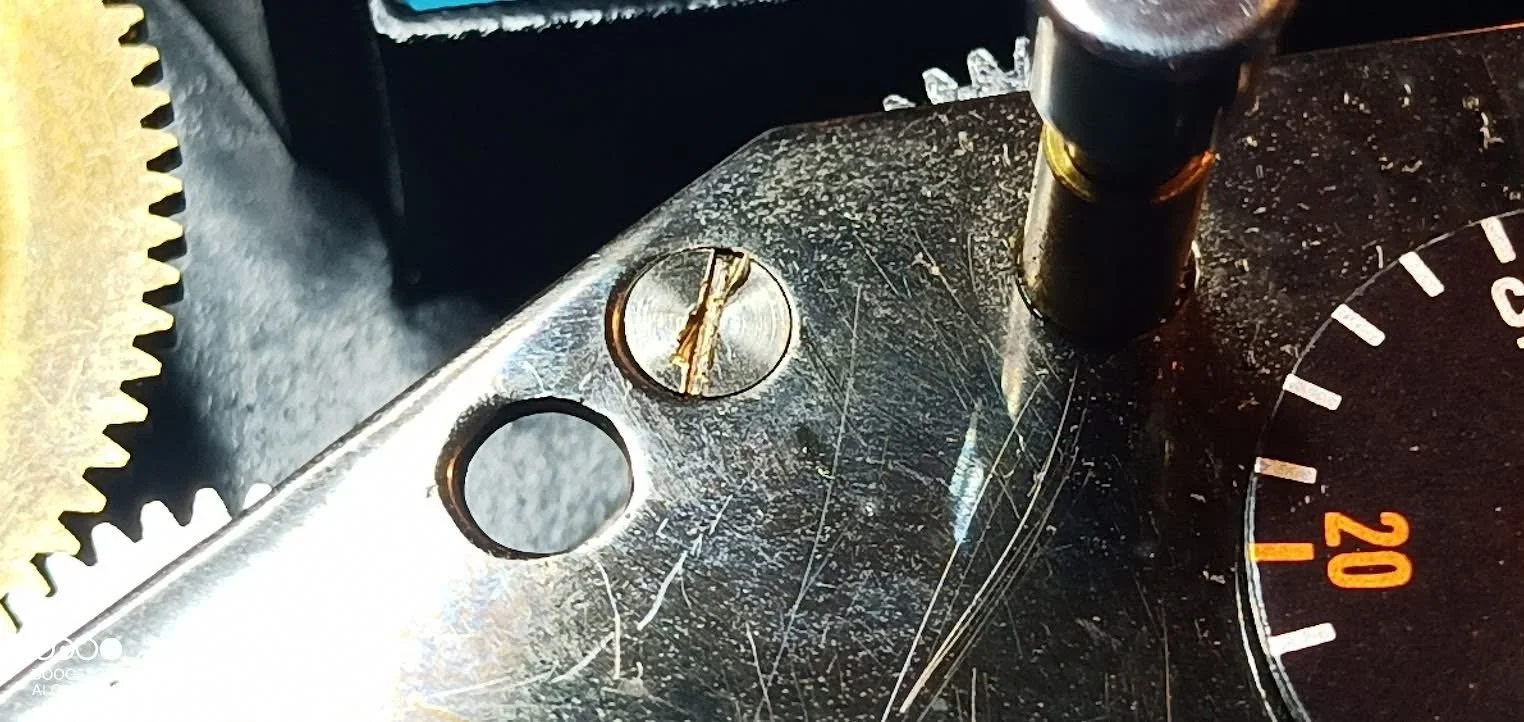
This is probably the most common and most avoidable mistake. Most Japanese cameras use JIS screws, not standard Phillips. They look similar but they are not the same. Using the wrong driver will strip the screw head almost immediately.
Once that happens:
screws become nearly impossible to remove
cosmetic damage is obvious
repairs become more time consuming and expensive
This is something people repeatedly run into when starting out. Don’t strip your screws!
2. Taking things apart without marking alignment
Lenses and helicoids are not forgiving.
If you separate a focusing helicoid without marking its position:
you lose the correct thread start point
reassembly becomes guesswork
focus calibration is completely off
People often do this once and never again. You only forget to mark alignment once before spending hours trying to line everything back up.
3. Losing track of parts and order
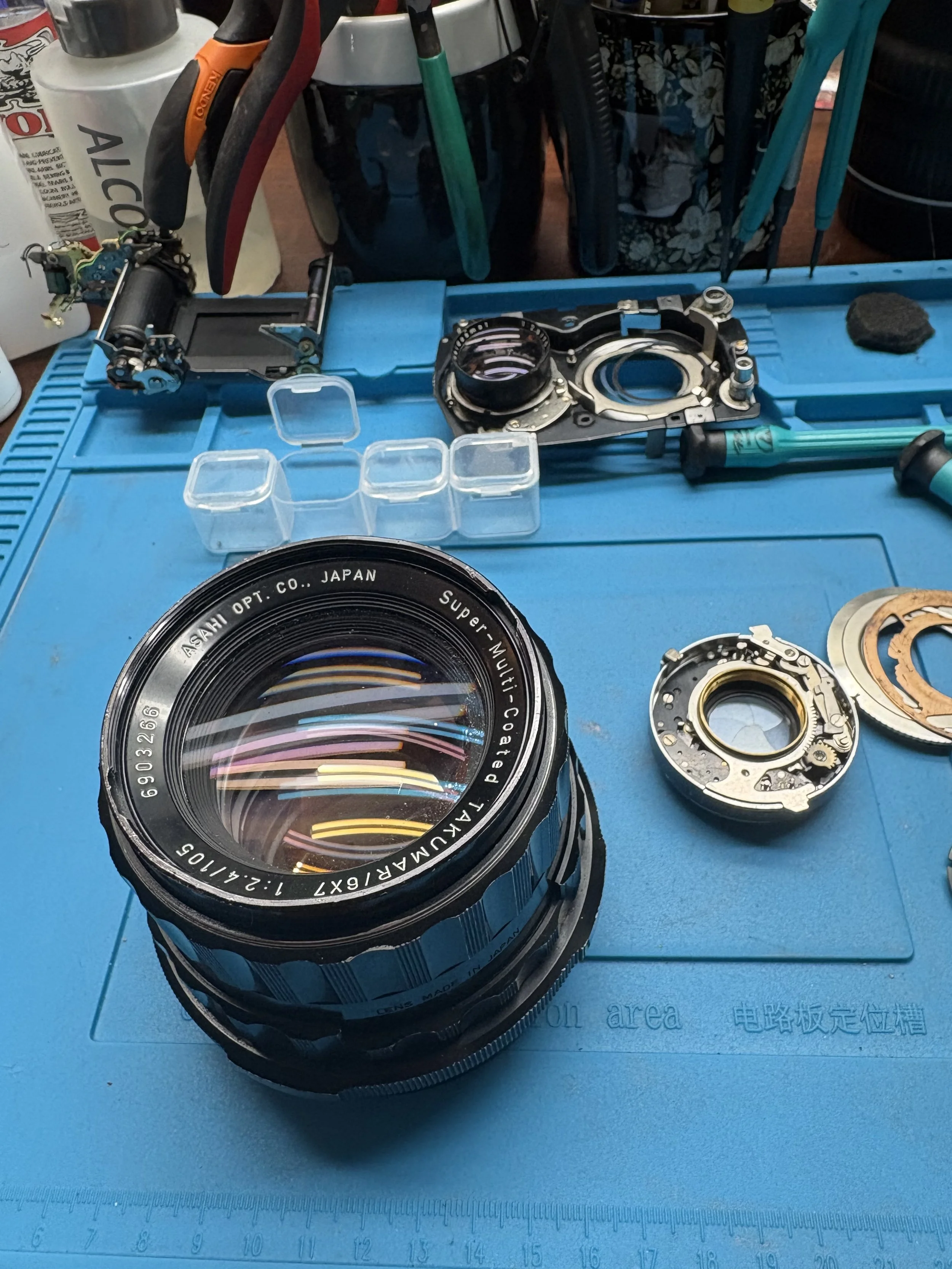
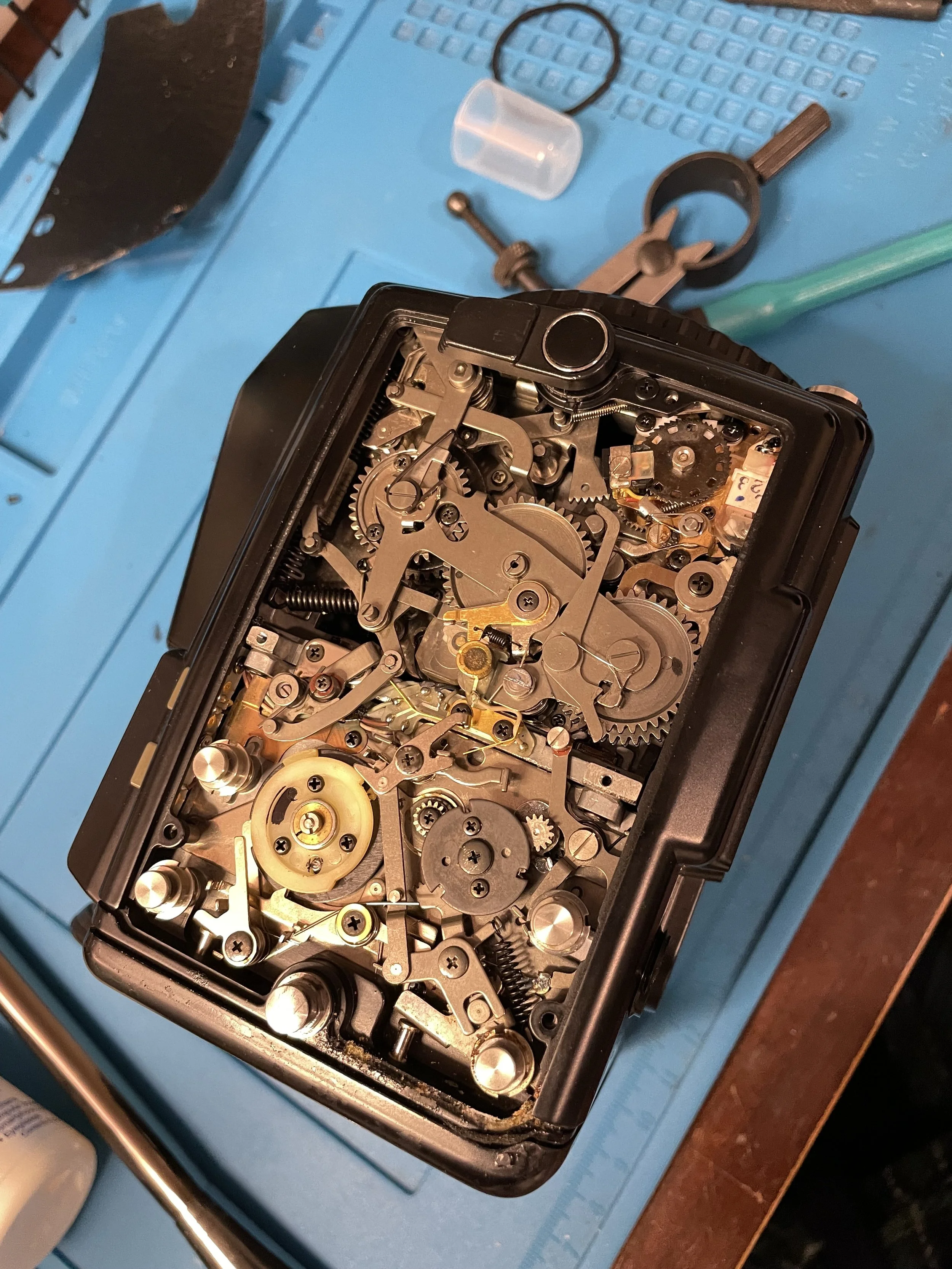
Cameras are layered systems. Screws are different lengths. Springs sit under tension. Some parts only fit one way.
Without documentation:
parts get mixed up
screws go back in the wrong place
mechanisms bind or fail
Even experienced hobbyists stress how easy it is to forget the order of disassembly without notes or photos
4. Using the wrong chemicals
This is where things can go from fixable to permanent damage.
Common mistakes:
using harsh solvents that strip paint or coatings
flooding mechanisms with lighter fluid instead of controlled cleaning
leaving residue inside shutters or aperture assemblies
Some solvents will remove grease. They will also remove finishes, adhesives, and sometimes damage internal components if used carelessly
5. Forcing stuck mechanisms
If something does not move, there is a reason.
Forcing it can:
bend internal levers
snap springs
damage shutter blades or curtains
A stuck film advance or shutter is often a lubrication issue, not something that needs force. Pushing through resistance usually creates a second problem.
6. Following incomplete or misleading tutorials
This is becoming more common.
Someone watches a short video, opens their camera, and assumes the process is universal. It is not.
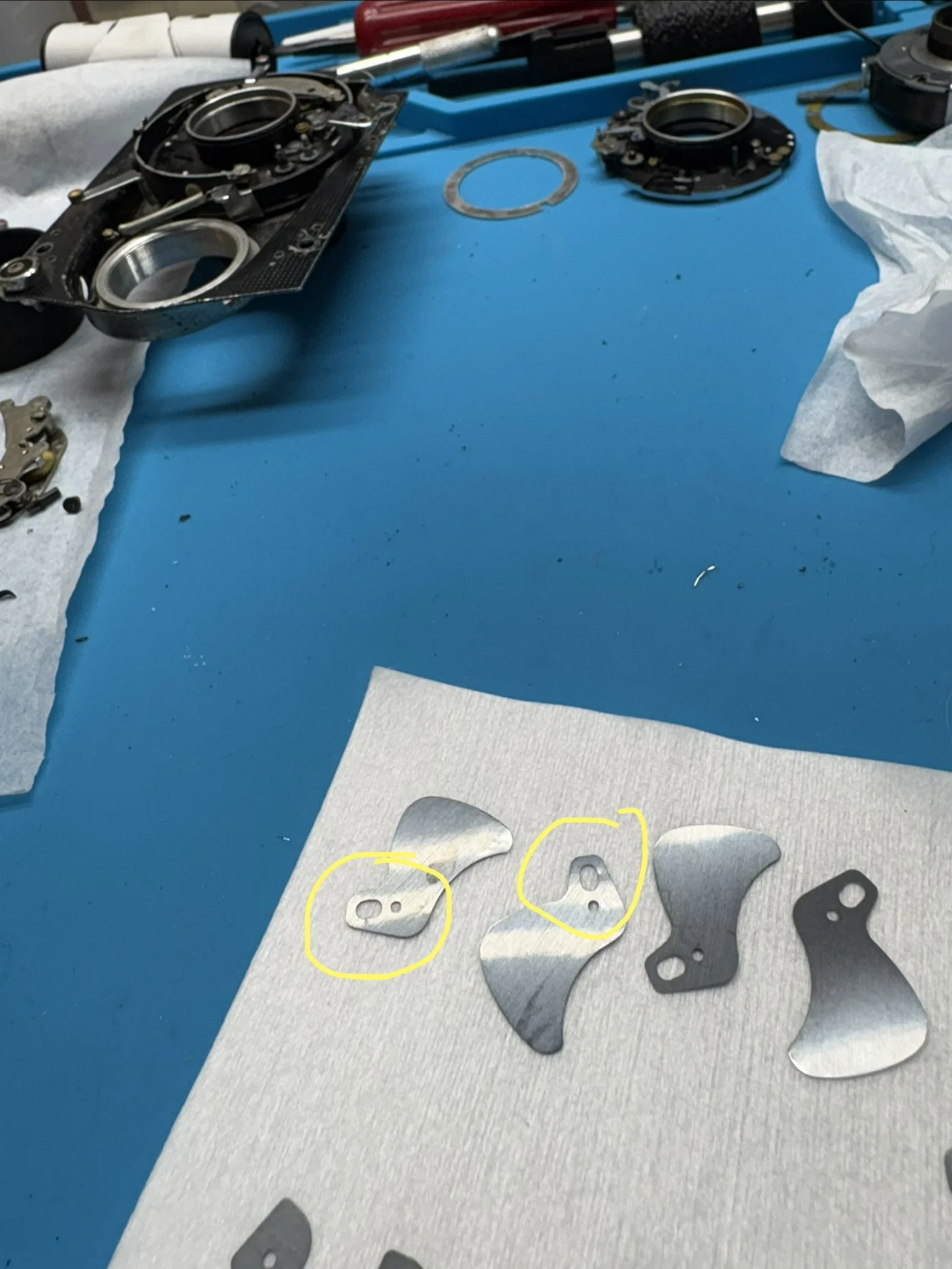
Even experienced technicians warn that people “take a camera apart and think they can fix it” after watching online content, often leading to worse damage than the original issue
Cameras that look similar can have completely different internal designs.
7. Opening a camera without a plan
This is where most DIY repairs go wrong.
Once a camera is open:
you need to diagnose the actual fault
you need to know what to adjust and what not to touch
you need to reassemble it correctly
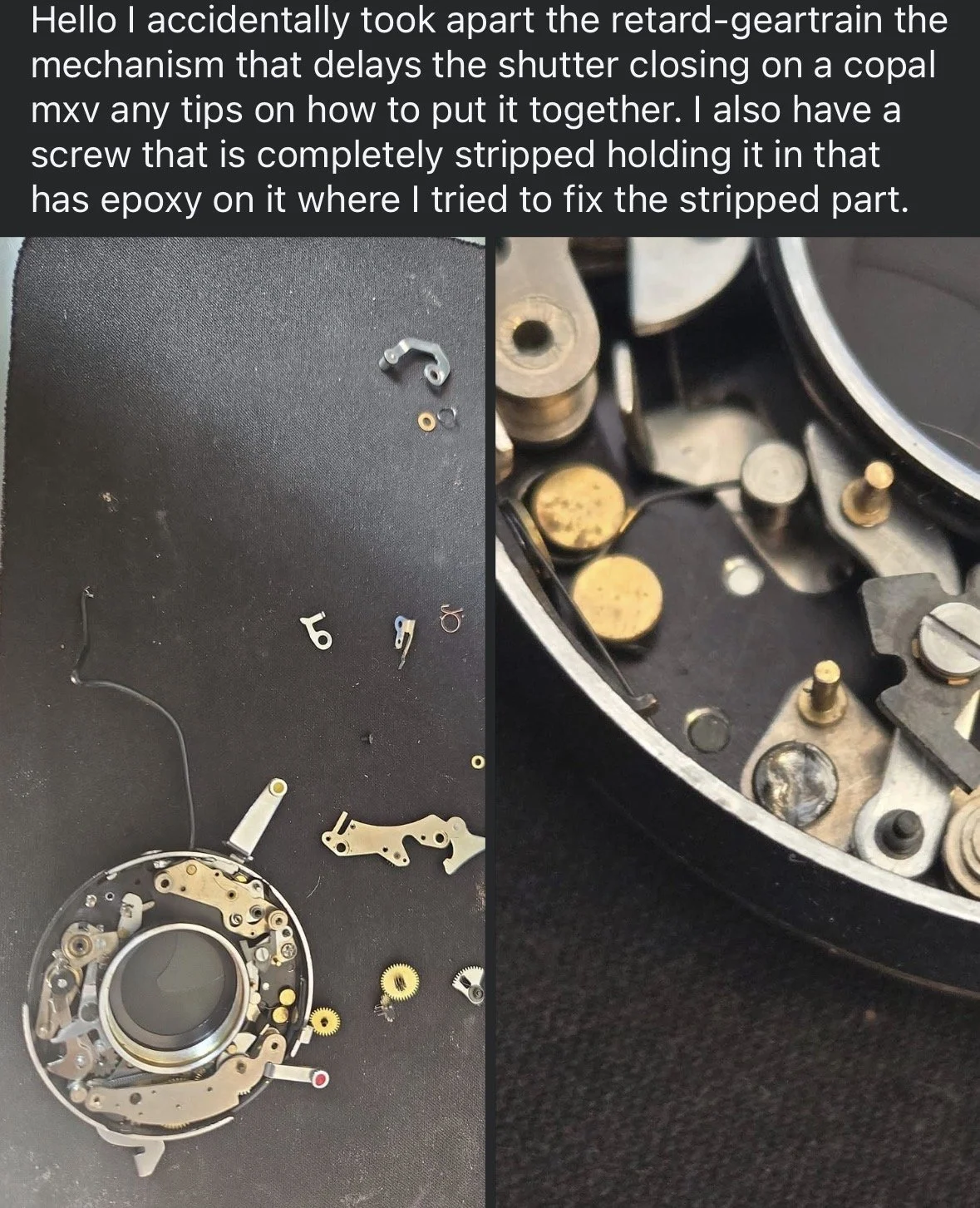
Without a clear plan, disassembly turns into trial and error. Even experienced hobbyists admit to ending up with a “box of projects that went wrong” early on
8. Trying to repair your only working camera
This one is simple.
If it is your only camera, do not learn on it.
Even people who support DIY repair strongly recommend practicing on something you can afford to lose. Otherwise one mistake can take a working camera off the table completely
9. Underestimating electrical and safety risks
Not everything inside a camera is purely mechanical.
Risks include:
high voltage from flash capacitors
short circuits from batteries
heat from soldering tools
These are not theoretical risks. Improper handling can cause injury or further damageI to the camera
Most DIY damage does not come from lack of effort. It comes from lack of information and the assumption that these cameras are simpler than they are.
They are not.
These are precision mechanical systems that were designed to be serviced with specific tools, documentation, and training.